The Estonian Center for Architecture participates in the Nordic-Baltic Forum for Architecture Festivals: Inter-institutional Space in an Age of Hyperpolitics, a Nordic-Baltic short-term network of Nordic Council of Ministers (Nordic Culture Point).
The Network for Interinstitutional Architectures (NIA) brings together five architecture centres, museums and festivals across the Nordic–Baltic region: Copenhagen Architecture Forum, Färgfabriken in Stockholm, the Estonian Centre of Architecture, the National Institute of Architecture in Lithuania, and the Architecture and Design Museum in Helsinki.
NIA explores organisational models that support reflection, resilience and innovation. Responding to the fast pace of cultural production, it promotes slower, sustained collaboration, shared experimentation and exchanges grounded in care and continuity.
Its work connects three dimensions: ecological responsibility through reusing materials and ideas; economic sustainability through shared resources and infrastructure; and curatorial collaboration through joint narratives and long-term research beyond national contexts.
Meetings and themes
1. “Counterconditions and Common Infrastructures”
November 2025 · Copenhagen Architecture Forum, Copenhagen
Strategies for reusing materials and concepts across institutions, strengthening their ecological, economic and discursive practices.
A partner meeting held in Copenhagen on 13–14 November 2025 brought together representatives of five architecture institutions from the Baltic Sea region: Copenhagen Architecture Forum (Denmark), Färgfabriken (Sweden), Architecture and Design Museum Helsinki (Finland), the National Institute of Architecture (Lithuania), and the Estonian Centre of Architecture.
On the first day, each institution presented its organisational structure, objectives, activities and funding models. The afternoon focused on potential forms of collaboration: how to develop a shared strategy and collaborative model that would sustain a long-term partnership and provide a framework or narrative that each institution could adapt to its own work. Participants also identified key challenges that might arise in developing a shared narrative.
Discussions explored ways in which the institutions could support one another in their day-to-day work—for example, by developing a shared storage concept to facilitate the reuse of museum exhibition materials, or by establishing practices for sharing and exchanging intellectual property. The shared narrative was considered in both material and conceptual terms, often as a combination of the two.
The second day took participants on visits to architectural practices and project sites in Copenhagen, focusing on sustainable material use, building transformation, and sensitive, site-specific design. The practices visited were Kim Lenschow, Djernes & Bell Architecture, and Philmann Architects.
The Estonian Centre of Architecture was represented by Maria Helena Luiga and Mariann Drell.
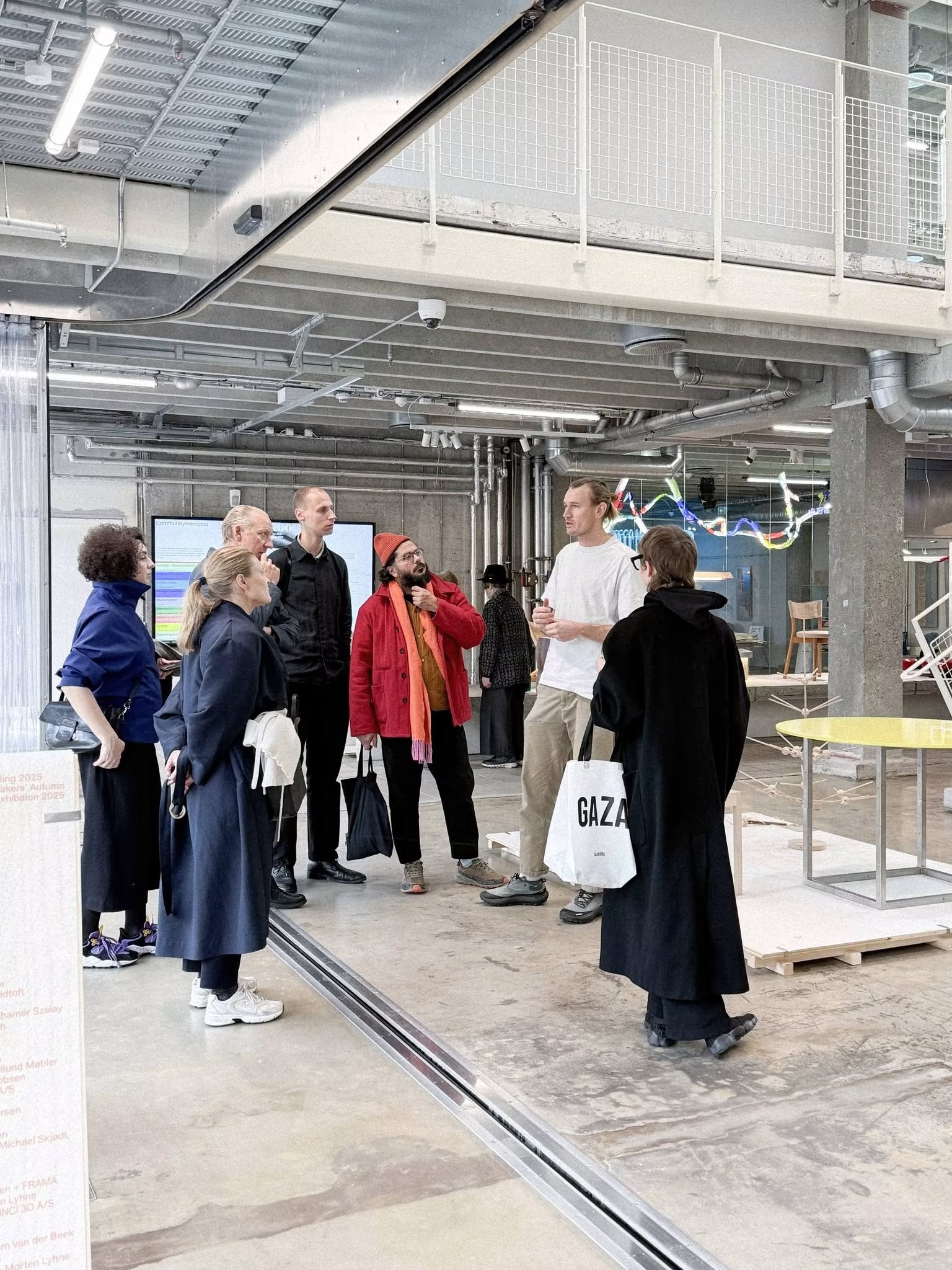
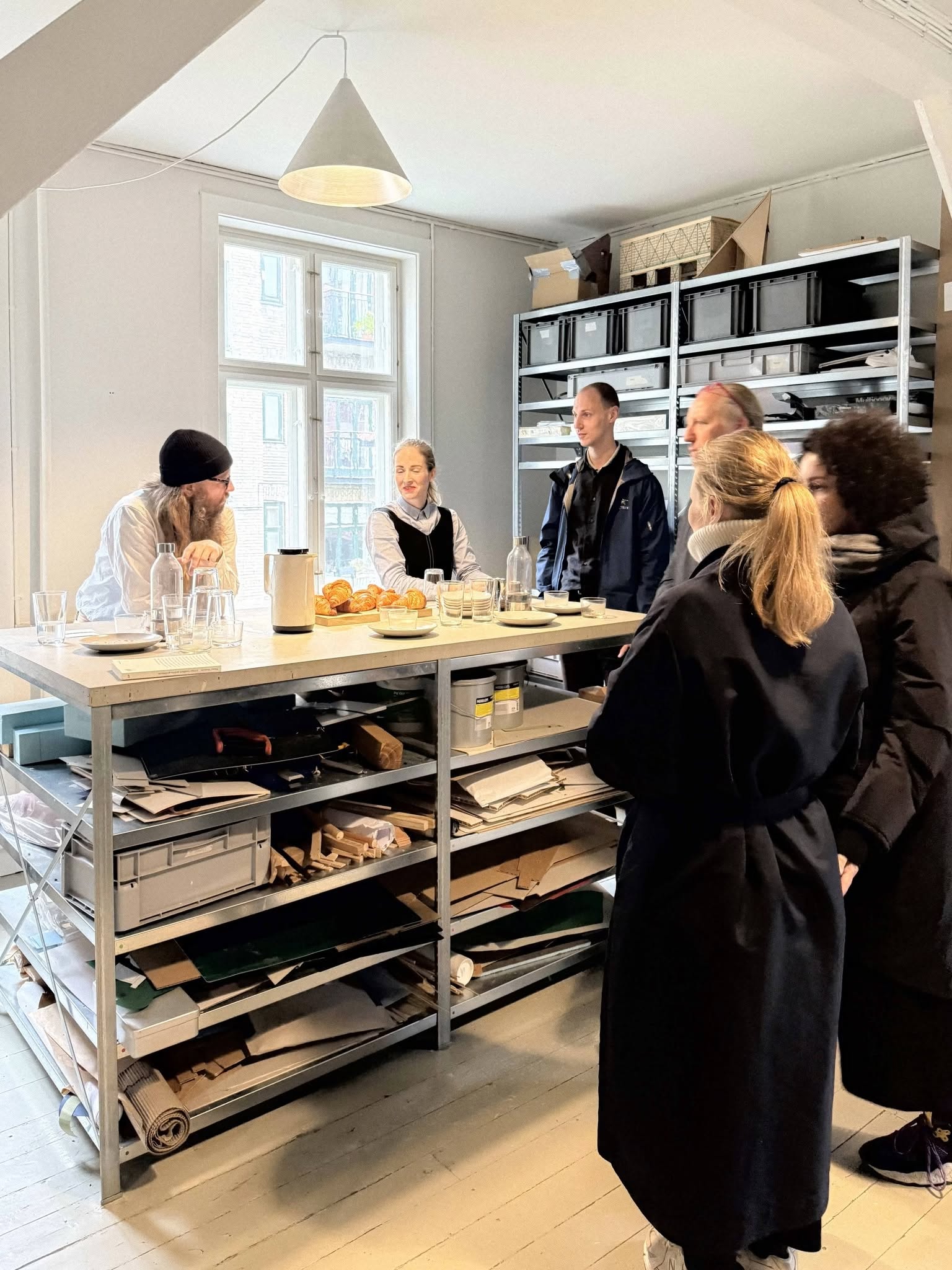
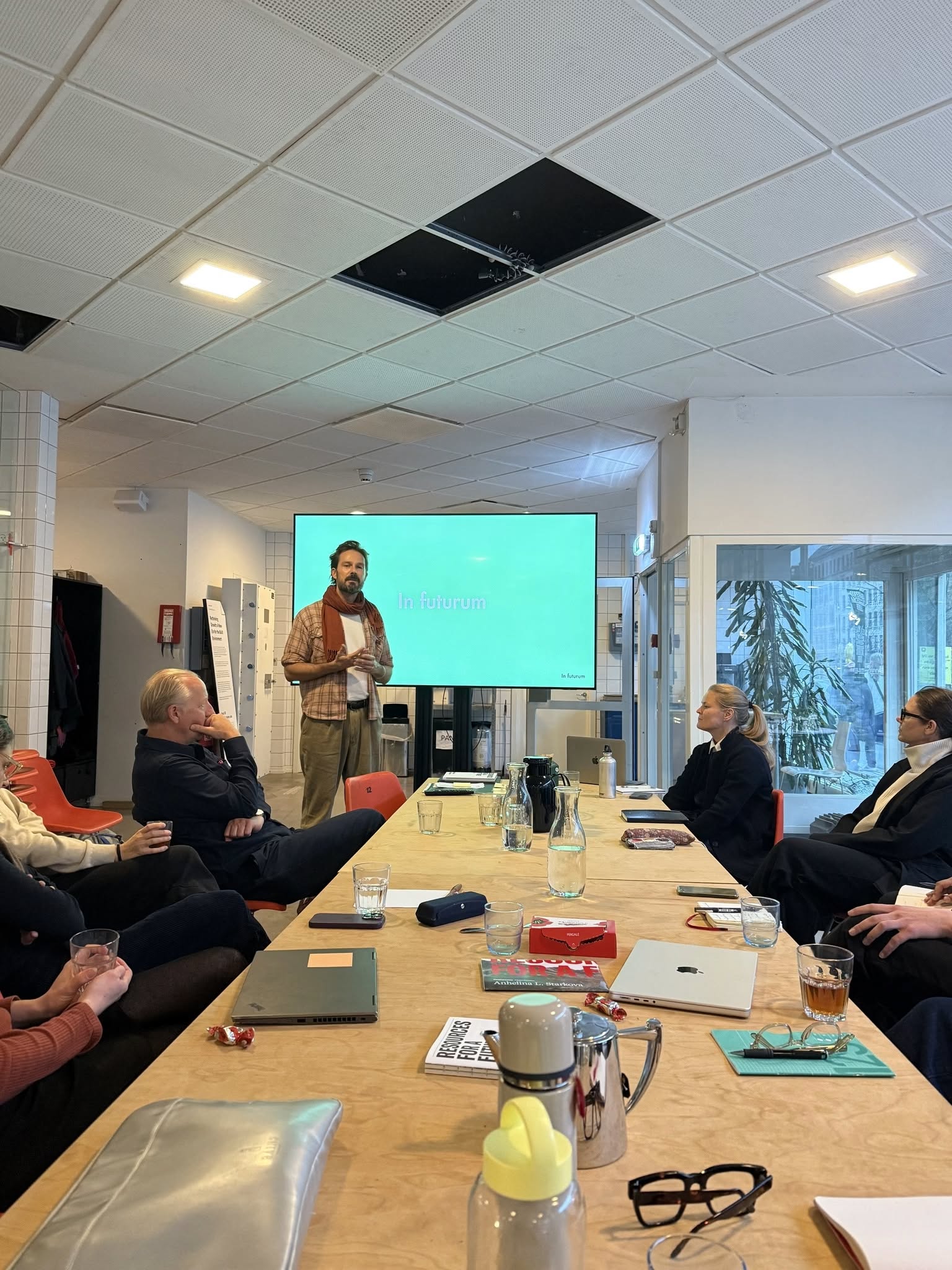
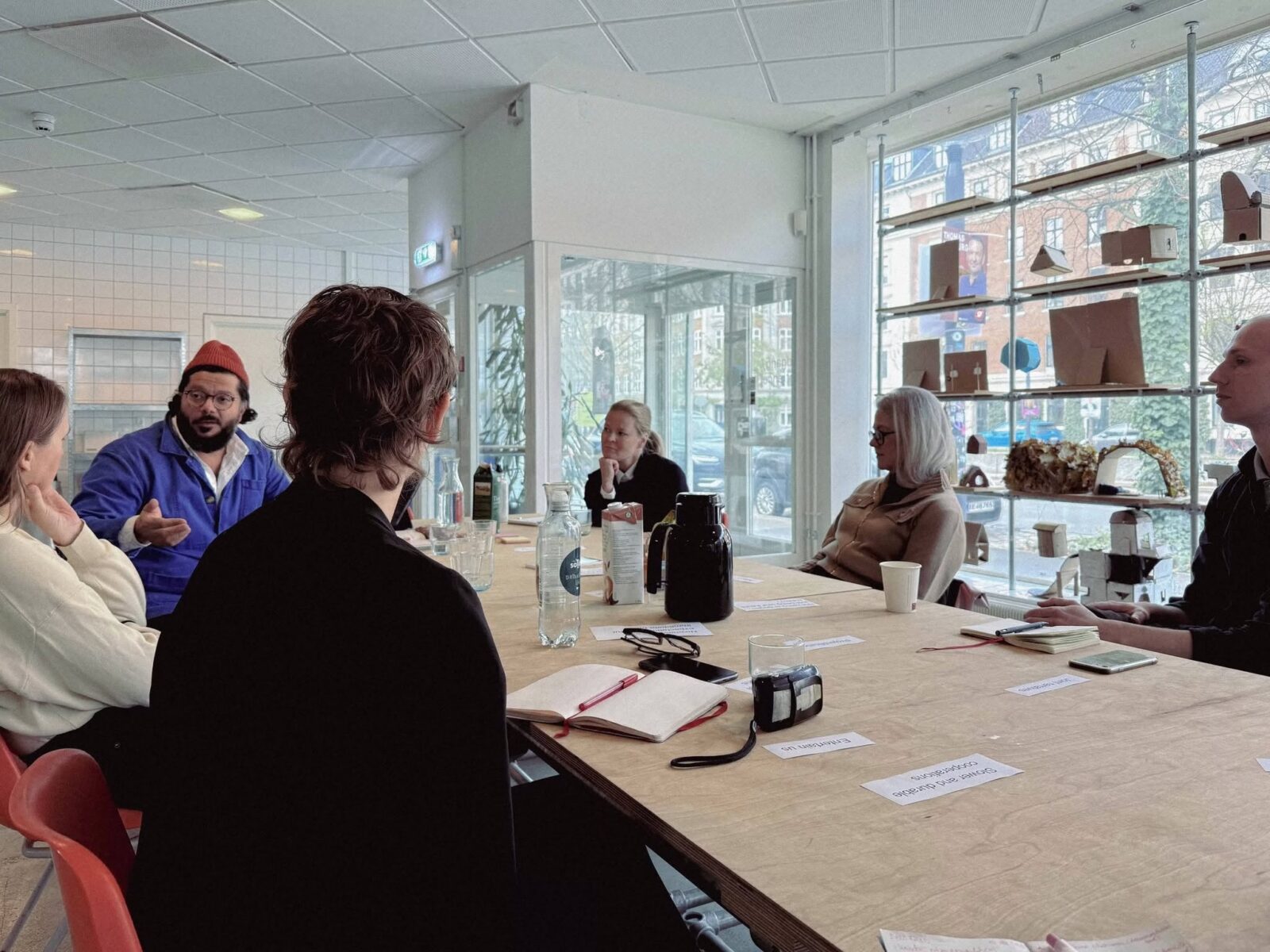
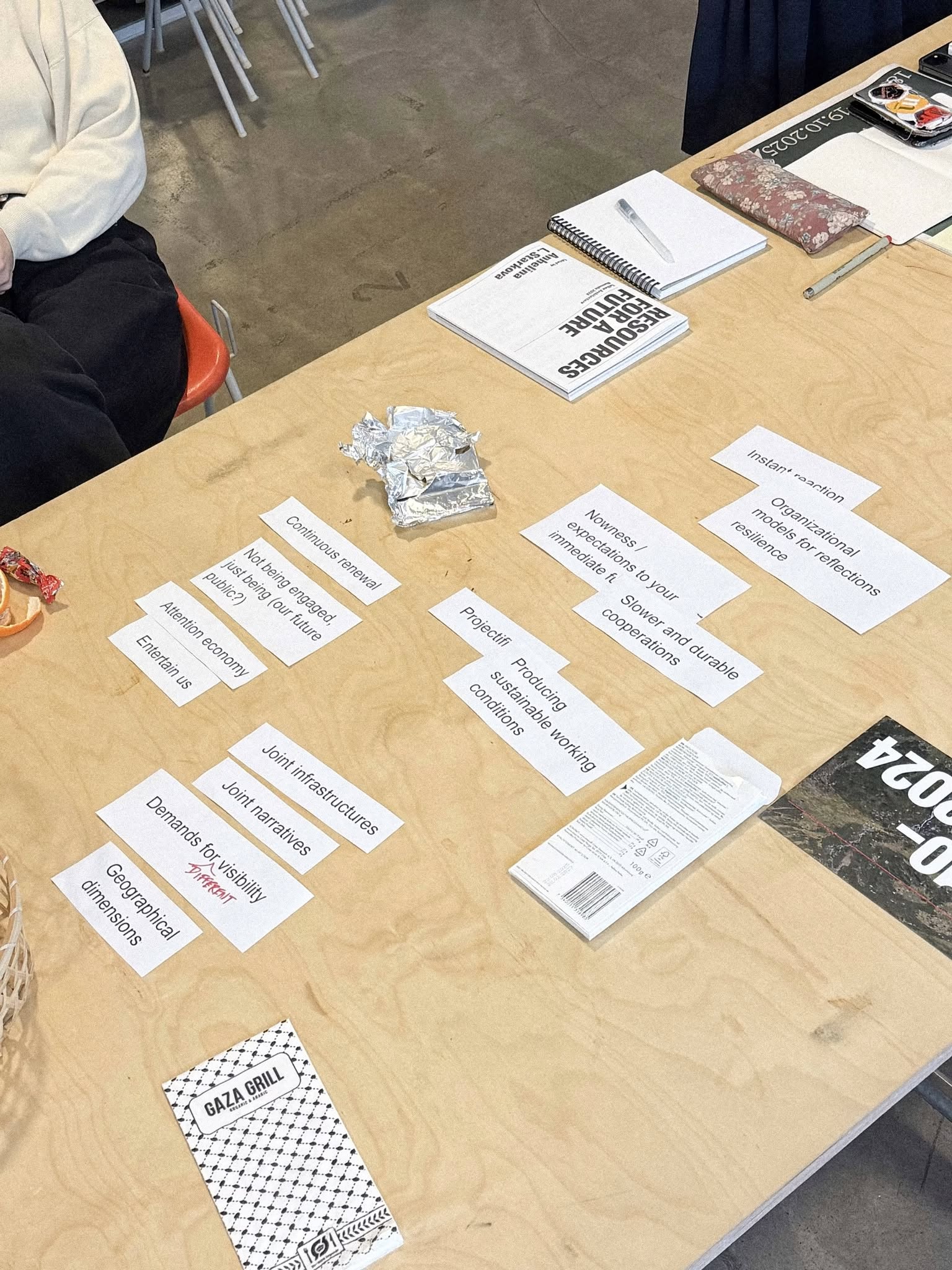
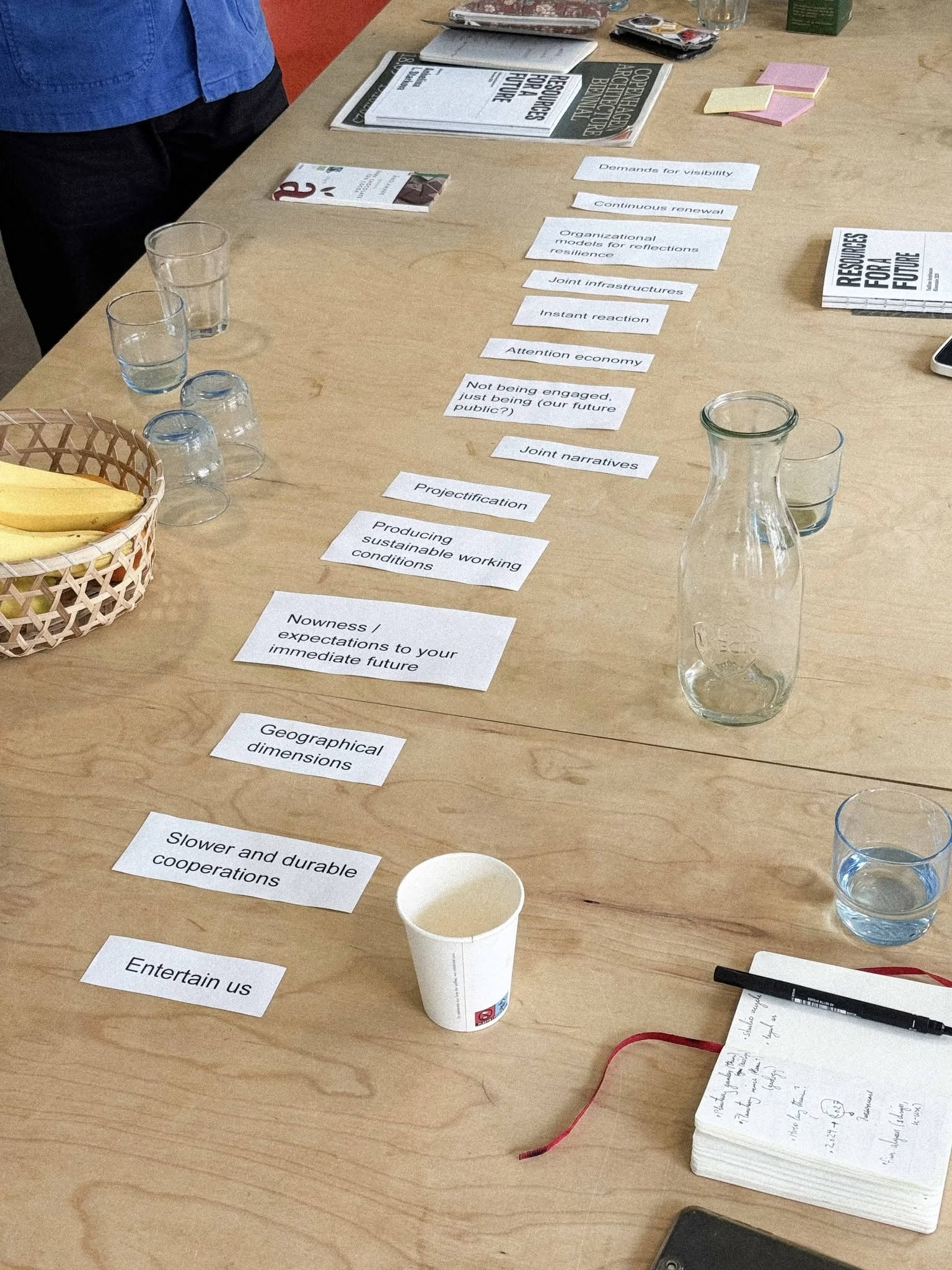
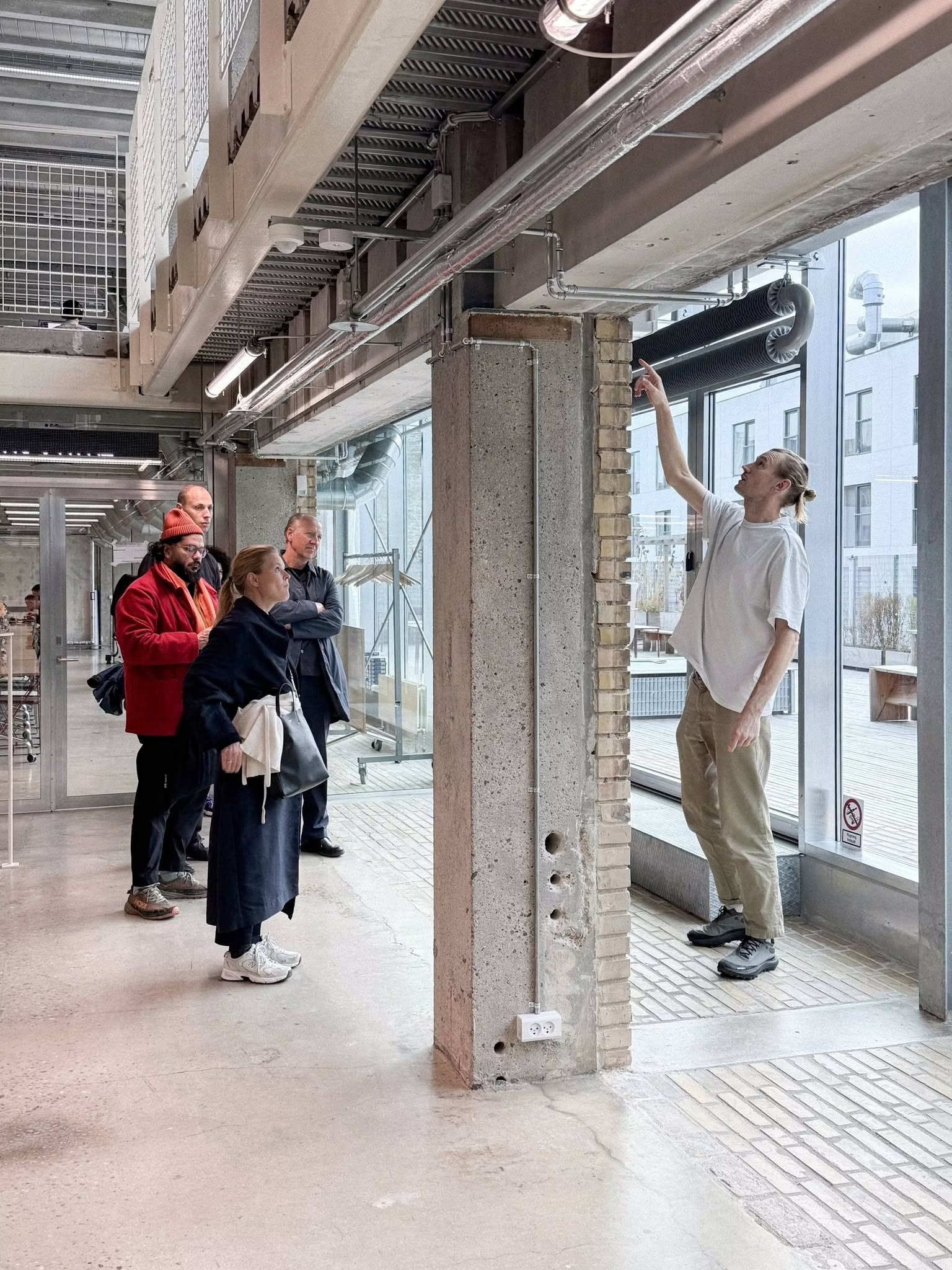
Photos by Maria Helena Luiga
2. “Slow Collaborations”
April 2026 · Färgfabriken, Stockholm
Supporting long-term research that values depth, innovation and complexity. The meeting included a workshop with KTH students exploring “What is an architecture exhibition?”
Maria Helena Luiga and Mariann Drell from the Estonian Centre of Architecture took part in a two-day programme at Färgfabriken in Stockholm, centred on the question “What is an architecture exhibition?”. The meeting brought together representatives of architecture institutions from the Baltic Sea region to explore the role, formats and possibilities of architecture exhibitions.
How can architecture be exhibited and discussed? While an art exhibition usually presents an original work, an architecture exhibition typically presents a representation of architecture—a direct or indirect interpretation. This raises questions about how architecture exhibitions should be approached and whether a gallery or museum is the most suitable setting.
The first day focused on sharing experiences and discussing the participating institutions’ existing practices. Presentations by Carson Chan, Chief Curator and Head of Curatorial at the forthcoming Architecture and Design Museum in Helsinki, and Sandra Šlepikaitė from Lithuania’s National Institute of Architecture (NAI) provided starting points for discussion. The two institutions are at comparable stages of development, yet their budgets, spatial resources and operating contexts differ considerably.
Key topics included the structure of architecture exhibitions, the feasibility and purpose of permanent displays, and the tools used to communicate architecture. Beyond models, drawings and texts, which formats can offer creative and engaging ways to discuss architecture and reach beyond the museum’s conventional boundaries? How can exhibitions engage different generations and audiences, and can the same format speak to both specialists and casual visitors?
The second day was dedicated to a workshop with architecture students from KTH Royal Institute of Technology. Students worked in groups guided by representatives of the participating institutions. The workshop also highlighted the broader scope of architectural education: alongside students, it is essential to engage the educators who shape their thinking and working methods. Participants also emphasised the importance of introducing architecture at an early age—in kindergartens, extracurricular activities and throughout school—to encourage a lasting interest in and a more informed engagement with culture and architecture.
The meeting formed part of the year-long cooperation network “Nordic-Baltic Forum for Architecture Festivals: Inter-institutional Space in an Age of Hyperpolitics”, supported by the Nordic Council of Ministers / Nordic Culture Point. The Estonian Centre of Architecture is a member of the network, which is led by Copenhagen Architecture Forum, the organiser of the Copenhagen Architecture Biennial.
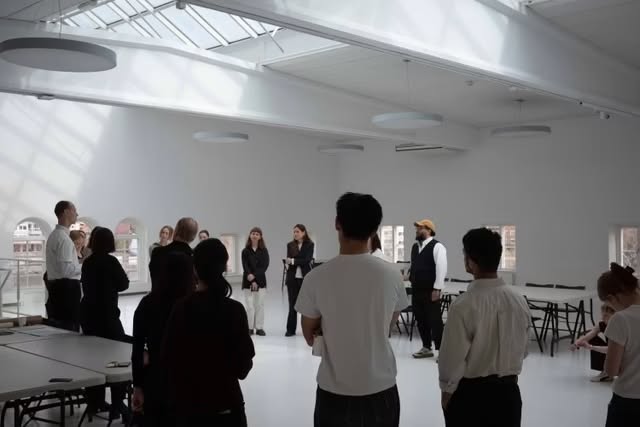
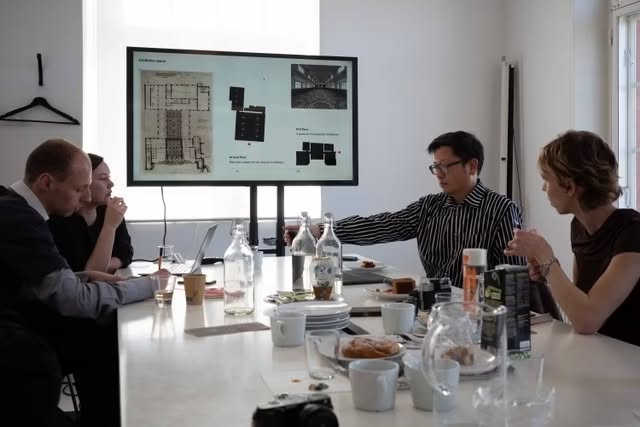
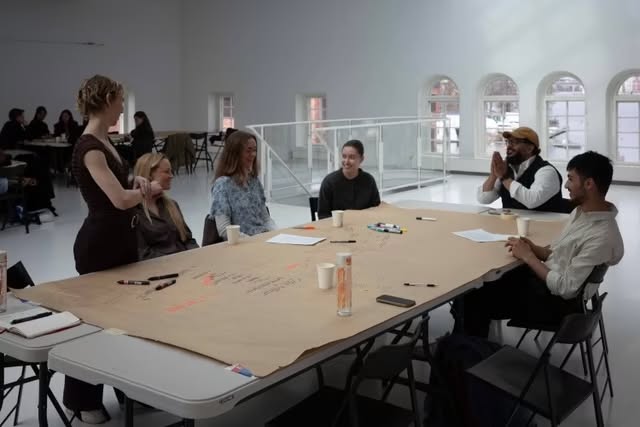
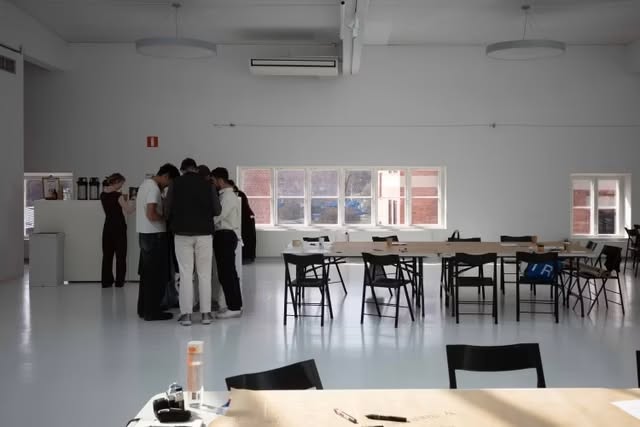
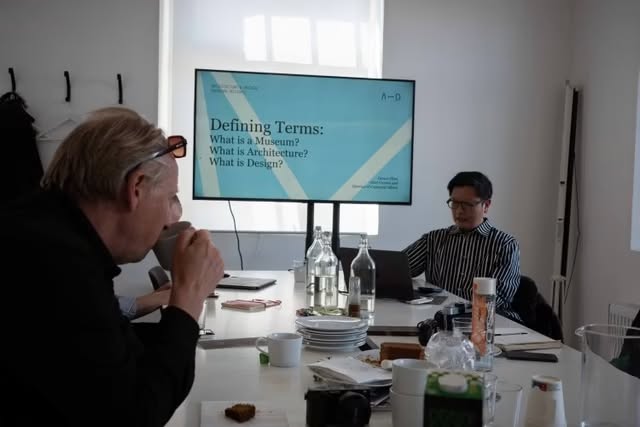
Photos by Mariann Drell
3. “What Does It Cost?”
September 2026 · Estonian Centre of Architecture, Tallinn
Examining the costs of being an institution beyond financial considerations, and the values institutions can create together.
NIA is led by Färgfabriken with Copenhagen Architecture Forum and supported by Nordic Culture Point’s Nordic–Baltic Mobility Programme for Culture